
Top Waterproofing Products to Protect Your Home and Foundations
Explore the leading waterproofing solutions designed to prevent leaks, moisture damage, and ensure long-lasting protection.
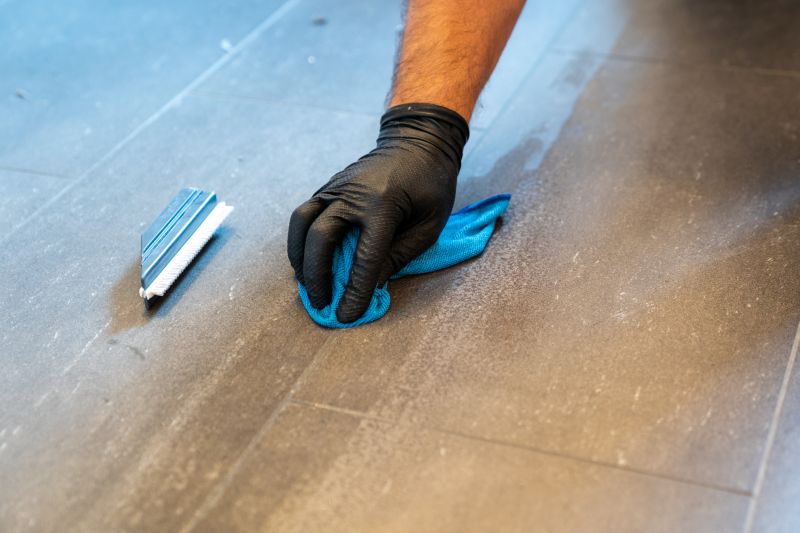 Waterproofing products are essential solutions for protecting structures, surfaces, and materials from water intrusion and damage. Whether applied to basements, roofs, foundations, or outdoor surfaces, these products help prevent leaks, seepage, and deterioration caused by moisture exposure. Proper waterproofing can extend the lifespan of buildings and outdoor assets, reducing maintenance costs and safeguarding property value. The selection of the right waterproofing product depends on various factors including the specific application, surface type, and environmental conditions.
Types of Products For Waterproofings
Liquid Waterproofing Membranes
Flexible, seamless coatings that can be applied with brushes, rollers, or sprayers to create waterproof barriers on various surfaces.
Sheet Membranes
Pre-fabricated sheets made of rubber, bitumen, or plastic that provide durable waterproof barriers, often used on roofs and foundations.
Bituminous Coatings
Asphalt-based coatings ideal for roofing, foundations, and underground structures, offering strong water resistance.
Polyurethane Coatings
High-performance coatings suited for roofs and decks, providing elastic, waterproof layers that withstand weathering.
Cementitious Waterproofing
Waterproofing mixes that can be applied directly onto concrete and masonry surfaces, forming a durable barrier.
Crystalline Waterproofing
Penetrates concrete to form internal crystals that block water passage, ideal for basements and tunnels.
Sealants and Caulks
Flexible compounds used to fill cracks, joints, and gaps to prevent water seepage at vulnerable points.
Penetrating Sealers
Silicone or silane-based products that seep into porous surfaces to provide water resistance from within.
Bitumen Roll Roofing
Self-adhesive or torch-applied asphalt sheets used primarily for roofing applications.
Liquid Rubber Coatings
Rubberized coatings that provide flexible, waterproof layers suitable for roofs, tanks, and ponds.
Waterproof Paints
Specialized paints formulated to create water-resistant surfaces on walls, fences, and other structures.
Hydrophobic Sprays
Sprays that impart water-repellent properties to fabrics, wood, concrete, and other materials.
Waterproofing Tapes
Adhesive tapes designed for quick sealing of cracks and joints in various surfaces.
Waterproofing Admixtures
Additives mixed into concrete or mortar to enhance their water resistance during curing.
Drainage Boards
Protective layers that facilitate water drainage away from foundations and walls.
Popular Choices
Widely used for their ease of application and adaptability across various surfaces, these membranes are favored in many waterproofing projects.
Durable and reliable, sheet membranes are commonly chosen for roofing and foundation waterproofing applications.
A popular choice for roofing and underground structures due to their strong water-resistant properties.
Known for their elasticity and weather resistance, these coatings are often used on decks and roofs.
Favored for its ease of application on concrete surfaces and its durability in various conditions.
Popular for basement waterproofing due to its internal crystallization process that enhances concrete's water resistance.
Essential for sealing joints and cracks, these products are common in both residential and commercial waterproofing.
Used to protect porous surfaces from water penetration, especially in outdoor settings.
Flexible and weatherproof, these coatings are frequently applied on roofs and tanks for waterproofing.
Applied on walls and fences, these paints help create water-resistant surfaces with ease.
Popular for their quick application and effectiveness in repelling water on various materials.
There are numerous types of waterproofing solutions available, each designed to address different needs. Liquid waterproofing membranes are popular for their ease of application and flexibility, making them suitable for complex surfaces. Sheet membranes provide durable, pre-fabricated barriers that are often used in roofing and foundation projects. Sealants and caulks are ideal for filling small cracks and joints, preventing water ingress at vulnerable points. Additionally, penetrating sealers can be applied to porous surfaces like concrete and stone to create a water-resistant barrier from within.
Choosing the appropriate waterproofing product requires careful consideration of the environment and the specific surface. For outdoor applications, weather resistance and UV stability are crucial, while indoor projects might prioritize ease of application and compatibility with existing materials. Proper surface preparation, including cleaning and drying, is vital for optimal adhesion and effectiveness. It is also important to consider the longevity and maintenance requirements of the product to ensure long-term protection. Consulting with professionals or thoroughly researching product specifications can help in making an informed decision tailored to your project needs.
Key Buying Considerations
- Determine the specific application and surface type to select the appropriate waterproofing product.
- Consider the environmental conditions such as exposure to UV rays, temperature fluctuations, and moisture levels.
- Evaluate the compatibility of the waterproofing material with existing surfaces and materials.
- Assess the ease of application, including whether professional assistance is needed or if DIY is feasible.
- Check the drying and curing times to plan your project timeline effectively.
- Review the longevity and maintenance requirements of the product for long-term protection.
- Look for products with good adhesion properties to ensure a strong bond to surfaces.
- Consider the flexibility and elasticity of liquid membranes or coatings to accommodate movement and cracking.
- Ensure the product provides a seamless barrier to prevent water seepage at joints and penetrations.
- Examine the breathability of the waterproofing layer to prevent moisture buildup underneath.
- Verify if the product is suitable for the specific climate conditions of Owosso, MI.
- Review safety instructions and VOC levels, especially for indoor applications.
- Check for compatibility with other building materials and coatings already in use.
- Determine if the product offers any warranties or guarantees for performance.
- Compare costs and coverage area to ensure budget-friendly options without compromising quality.